


by Divan van Rooyen
How To Use a Dry Herb Vaporizer
It's easier than you think. From the benefits of dry herb vaping to the different types, we cover everything you need to get started.
Are you new to the world of dry herb vaporizers and aren't sure where to start? You've come to the right place.
I've been vaping dry herbs for years, and honestly, making the switch from smoking was one of the best decisions I ever made. Dry herb vaporizers heat your material to produce vapor that delivers all of the goodies you're after without the harsh chemicals that come with combustion. They're more efficient, easier on your lungs, and once you get the hang of it, way simpler to use than you might think.
In this guide, I'll walk you through everything you need to know as a beginner... from how these devices actually work to the different types you'll find on the market. Let's get into it.
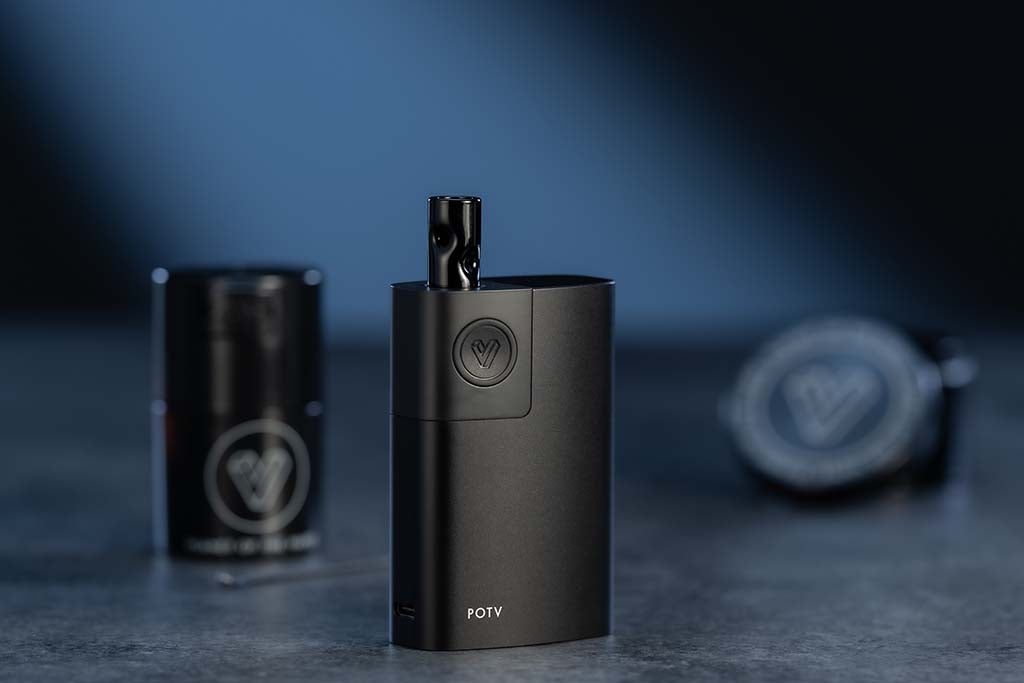
✅ Main Takeaway
Vaping dry herbs is simple: Grind your material, pack the oven (tight for conduction, loose for convection), set your temperature between 370-390°F (187-198°C) for balanced flavor and clouds, and take slow, steady draws. Clean the oven after each session while it's still warm. That's it!
Planet of the Vapes: Learn from the Experts
We believe that vaporization is the best way to consume herbs, and it is our purpose to make it the preferred choice of herbal consumption and to spread the joy of vaping, every day. We produce comprehensive reviews and guides to help you make the best buying decision and vaporize with confidence, from start to finish.
Our team of vape experts performs extensive tests and research on each product to learn just about everything there is to know and to ensure it's worthy of your hard-earned money. Whether you're a first-time vaper or upgrading from an older model, we've got you covered.
Quick Summary: How to Use a Dry Herb Vaporizer
Here's a quick rundown on how to use a dry herb vaporizer for beginners:
- Grind your herbs - Medium grind works for most vapes
- Pack your vape - Tight for conduction, loose for convection
- Power on your vape
- Pick your temperature - Start anywhere between 370-390°F (187-198°C)
- Inhale your vaporized herbs - Slow, steady 7-10 second draws
- Power off & clean your vape - Brush out the oven while warm
How Does a Dry Herb Vaporizer Work?
A dry herb vaporizer is essentially a heater that produces vapor from dried plant material. Material is placed inside a heating chamber (we call it an oven) that can reach temperatures well over 400°F (204°C).
Rather than combusting the material like with cigarettes, vaporizers use hot air to heat the material and release its active ingredients (terpenes, for example) in the form of vapor instead of smoke. This is the key difference: you're heating, not burning.
Some vaporizers and vape pens are battery-free and utilize a torch lighter as their heat source. These options, like the DynaVap, grant you unrivaled flexibility and never have to be charged. For the rest of this guide, however, we'll be covering electronic vapes only.
👉 Shop the Best Dry Herb Vaporizers
What Herbs Can I Vaporize?
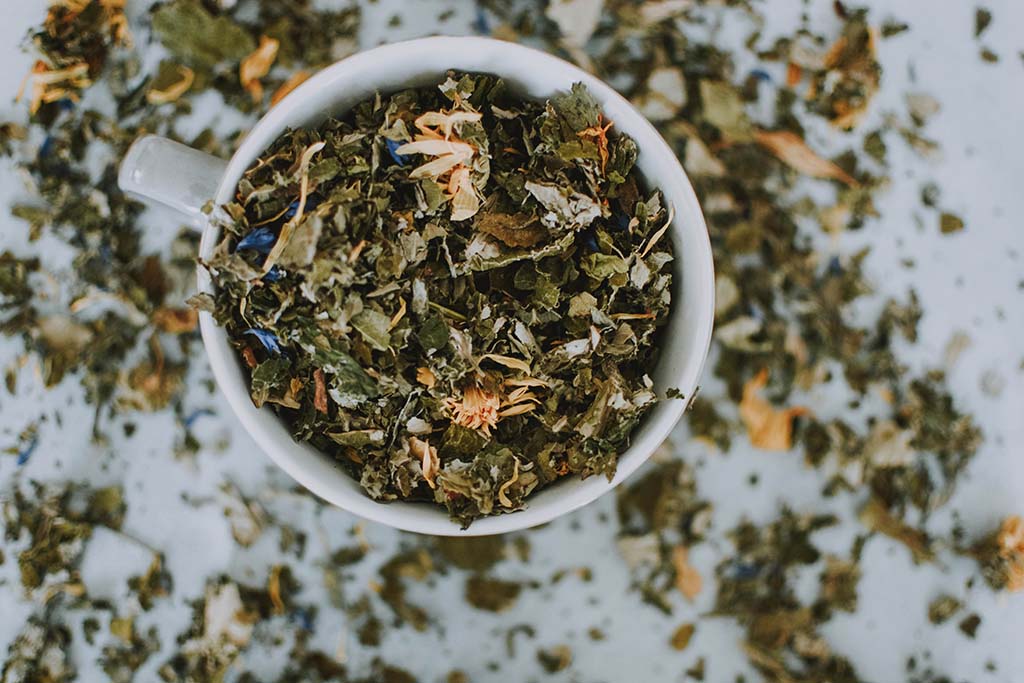
There's a wide variety of different herbs you can vaporize beyond the obvious ones. Each one provides unique benefits at specific temperatures that are only accessible with dry herb vaporizers. Here's a breakdown of popular legal herbs you can vape for anxiety, sleep, and relaxation:
- Blue Lotus - 212°F to 257°F (100°C to 125°C)
- Basil - 266°F (130°C)
- Catnip - 257°F to 302°F (125°C to 150°C)
- St John's Wort - 212°F to 302°F (100°C to 150°C)
- Valerian - 212°F to 302°F (100°C to 150°C)
- Chamomile - 212°F to 257°F (100°C to 125°C)
- Eucalyptus - 266°F (130°C)
- Green Tea - 347°F to 365°F (175°C to 185°C)
- Ginseng - 347°F to 392°F (175°C to 200°C)
- Hops - 347°F to 392°F (175°C to 200°C)
- Lavender - 212°F to 257°F (100°C to 125°C)
- Passionflower - 212°F to 302°F (100°C to 150°C)
- Yerba Mate - 212°F to 302°F (100°C to 150°C)
- Peppermint - 212°F to 302°F (100°C to 150°C)
- Thyme - 212°F to 302°F (100°C to 150°C)
- Sage - 257°F to 302°F (125°C to 150°C)
- Rosemary - 257°F (125°C)
- Lemongrass - 257°F to 302°F (125°C to 150°C)
- Lemon Balm - 288°F (142°C)
- Clove - 257°F to 302°F (125°C to 150°C)
- Aloe Vera - 347°F to 392°F (175°C to 200°C)
- Spearmint - 309°F (154°C)
- White Lily - 257°F to 347°F (125°C to 175°C)
- Wild Dagga - 302°F to 347°F (150°C to 175°C)
- Ginger - 347°F to 392°F (175°C to 200°C)
Is It Safe to Vape Dry Herbs?
Vaporizing dry herbs is perfectly safe if you do it right and take the time to learn about it. It's becoming wildly popular among a variety of different herbal users and is quickly becoming the go-to option for many who want the health benefits of vaping versus smoking.
The key is that you're avoiding combustion. When you burn herbs, you create harmful byproducts like tar and carcinogens. Vaporizing keeps temperatures below the point of combustion (typically under 464°F/240°C), so you're inhaling vapor with the active compounds you want, not smoke with the stuff you don't.
Benefits of Vaping Dry Herbs
Discreet
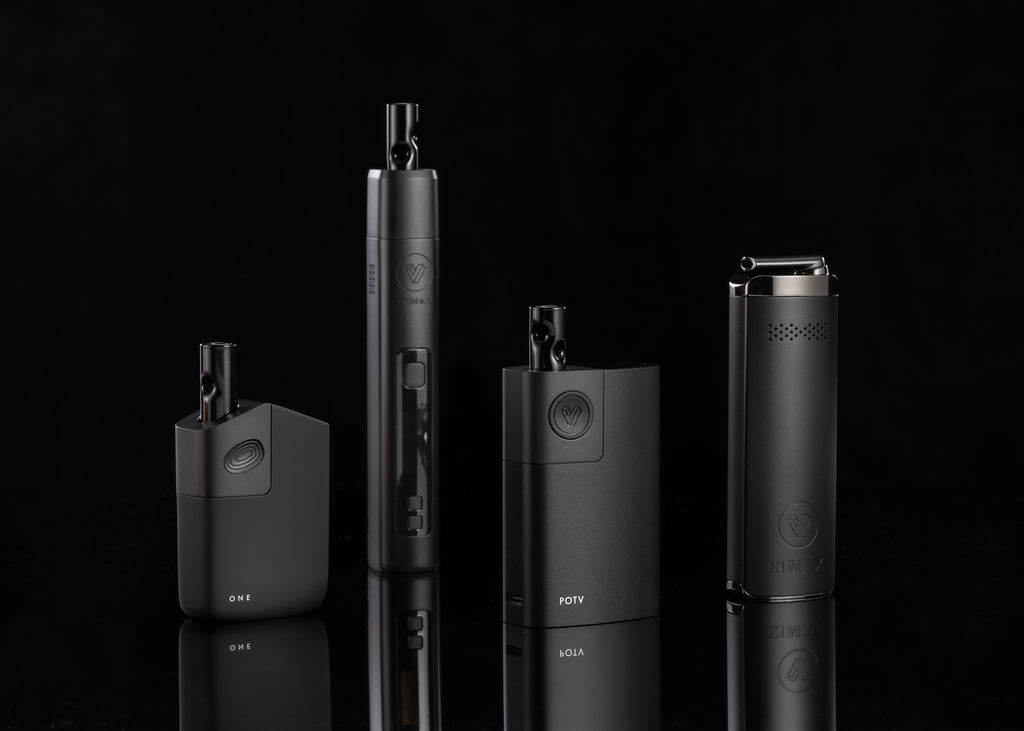
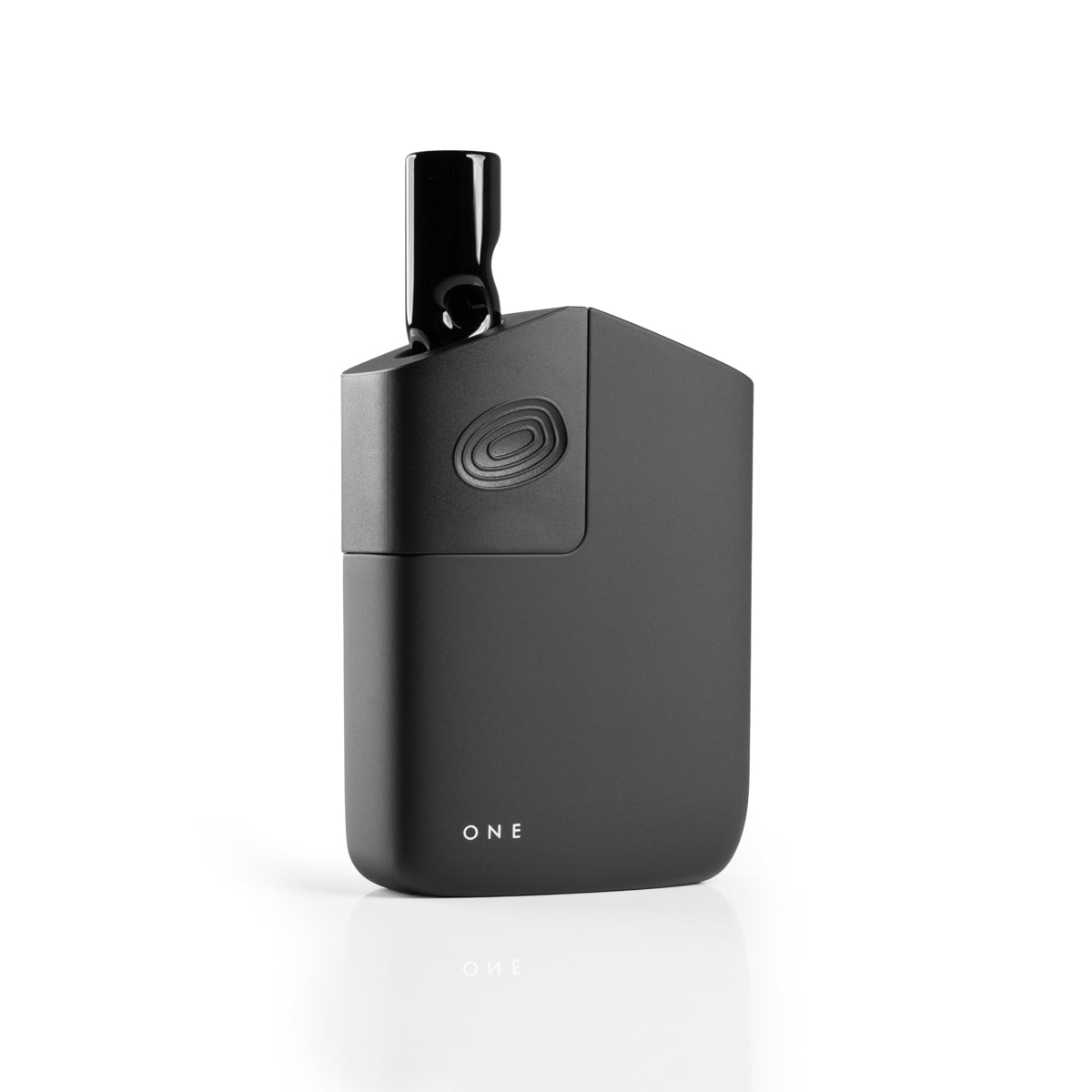
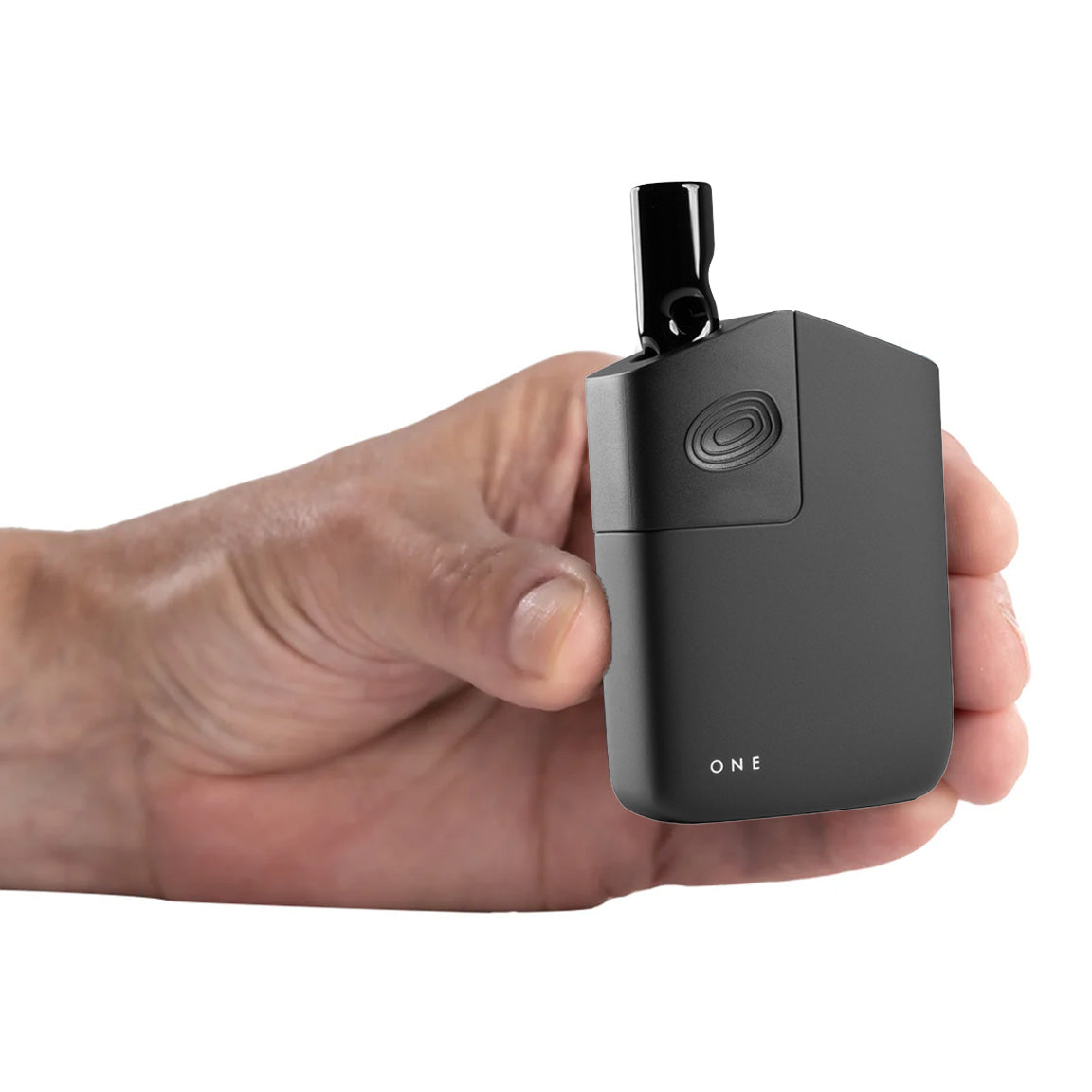
While there are plenty of vapes that will turn heads and spark a lot of curiosity, there are just as many that deliver potent vapor in a discreet, pocketable fashion. A variety of portable vapes, like the POTV ONE or the XMAX Oont Pro, fit snugly in your palm and can be tucked away in your pocket or small bag.
Does dry herb vaping smell? Here's the thing: smoke brings its stinky stench wherever you go and will stick to surfaces long after you're finished. It's not pleasant at all. The vapor produced from a dry herb vaporizer is light and only includes the good stuff. It doesn't stick or linger for very long, usually dissipating within minutes instead of hours.
Feels and Tastes Better
Smoke is harsh and smelly. It doesn't taste great and it feels extremely harsh on your throat and lungs. In my experience, vaporizers deliver the goodies in a gentler form that reveals unique herbal flavors you didn't even know existed in your plant. It's the best way to experience everything your herbs have to offer.
The first time I tasted actual lemon notes in my herbs instead of just burnt plant matter, I was sold. That's what proper vaporization can do.
Portability
Like I mentioned before, many small dry herb vaporizers will fit conveniently in a small bag or purse, or even in your pocket. Take it out and about and enjoy a session wherever you go, and easily store it away when you're finished.
Portable dry herb vapes allow you to take a few hits here and there, when it's convenient for you, instead of waiting for the herbs to burn out or tossing them early. Check out our guide on flying with a vaporizer if you're planning to travel.
Efficiency
Combustion destroys a lot of the herbal compounds that you're after and turns them into harmful byproducts that you don't want in your lungs. Vaporizing releases these compounds, instead of destroying them, and provides a more well-rounded experience that you won't find with smoking.
Because vaporizing squeezes every bit out of your material, you use a whole lot less. Most people report that they use about a third to a half less than they did when they were smoking. Your wallet will thank you. It's a win-win!
"Dry herb vaporizers are discreet, portable, and efficient. No lingering smoke, harshness, or waste, just pure flavor and smoother hits."

👉 Read POTV Lobo Vaporizer Review 👉 Shop POTV Lobo Vaporizer
Is It Better to Vape or Smoke Dry Herbs?
I may be a little biased, but vaping is the superior method to consume your dry herbs. Your lungs and wallet will thank you as soon as you make the switch. Pick up a dry herb vaporizer and enjoy herbal flavors and aromas you didn't know were hidden under all the smoke.
But that's not all. Vaporizers are discreet, easy to use, and can give you different effects from the same herbs by changing up the temperatures. The dry herb vaporizer health benefits versus smoking are significant; you're avoiding tar, carbon monoxide, and other combustion byproducts.
Is Vaping Dry Herbs More Potent?
Vapor is more potent than smoke. Vapor preserves more of the rich qualities that we're after, so each puff is more potent. That's one of the reasons vaporizers have smaller ovens than pipes and bubblers. You don't need to use as much.
Pros & Cons of Vaping Dry Herbs
| Pros 👍 | Cons 👎 |
| Discreet - vapor doesn't linger | Costs more upfront |
| Efficient - less material gets you further | Slight learning curve |
| Tastes great - pure herbal flavors | Requires regular cleaning |
| Easier on the lungs - no smoke | |
| Different temperature settings | |
| Portable options available | |
Bottom lineThere are more reasons than not to switch to dry herb vaporizing, and it's not as daunting as it may seem. With a little know-how and the right equipment, you'll be an expert in no time. The upfront cost pays for itself within a few months. |
|
Types of Dry Herb Vaporizers
There are two main types of vaporizers you'll find on the market. Understanding the difference between portable vs desktop vaporizer pros and cons will help you choose the right one for your lifestyle.
Portable vaporizers are cordless and can fit inside most bags or purses, but need to be charged. Some can slip inside a small pocket. Desktop vaporizers plug into a power outlet and provide all-day power without worrying about battery life.
Portable Dry Herb Vaporizers
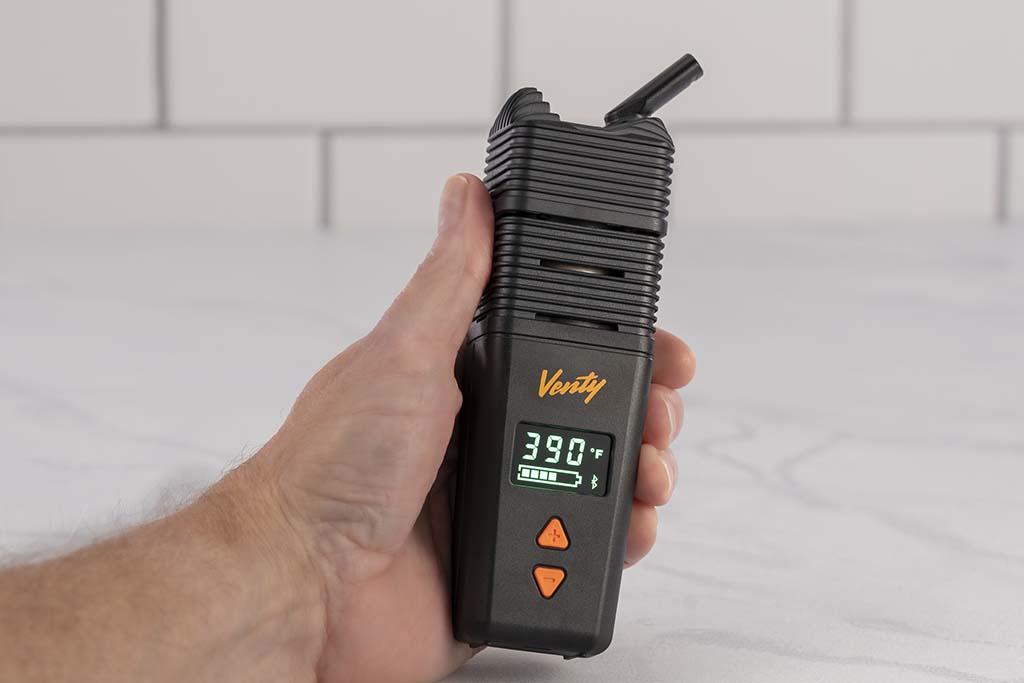
Portable vaporizers are popular for their compact, handheld design that can easily slip into most pockets or small bags, and are the go-to options for many of our at-home and on-the-go users. These vapes utilize an internal battery for power, or in some cases, a torch lighter, and can provide rich, satisfying vapor production wherever you are.
I reach for my portable vape when I'm gaming, hiking, or just relaxing on the couch. The flexibility is unmatched. Check out our best portable dry herb vapes guide for our top picks.
👉 Shop Portable Vaporizers
Desktop Dry Herb Vaporizers
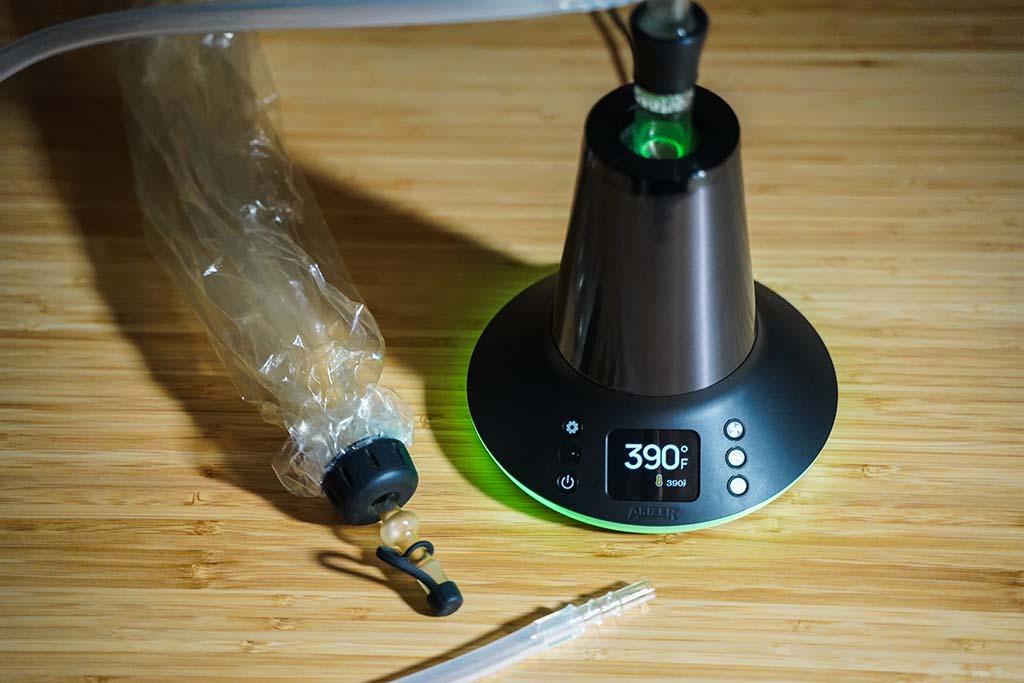
On the other hand, desktop vaporizers have a much larger footprint and plug directly into a power outlet for long, powerful sessions. These vapes are popular among strictly at-home users and heavy hitters for their superior power, larger ovens with a larger surface area, and the ability to drive parties or large groups of friends.
These options generally cost more, but are built to last for years and years. If you're looking for the absolute best vapor quality and you don't need portability, desktops are hard to beat. Check out our best desktop vaporizers guide for our recommendations.
Conduction vs Convection vs Hybrid Heating
Understanding the difference between convection and conduction vaporizer technology is crucial for beginners. Each heating method has its own advantages and ideal use cases.
Conduction Vaporizers
Conduction vaporizers, like the XMAX Starry Vaporizer, act as mini-ovens and heat your herbs through direct contact over the course of a session. They're typically easier to use, more consistent, more energy efficient, and less expensive than other types of heaters.
They're great for light users who prefer small sips over large rips and laidback sessions where you can take your time. Conduction vapes, however, cook your herbs in between hits and lose taste quicker. They're not as efficient or tasty as other options, but they're perfect for beginners who want simplicity.
Convection Vaporizers
Vaporizers with convection heating, like the Firefly 2+, separate the heat source from the chamber and only heat the air and your herbs as you inhale. They're much more efficient and produce the tastiest vapor on the market. They're the go-to option for connoisseur-level experiences.
The downside? They're very taxing on the battery (for portable options) and are generally more expensive. But if flavor is your top priority, convection is the way to go. Check out our list of the best convection vapes for a full rundown.
Hybrid Vaporizers
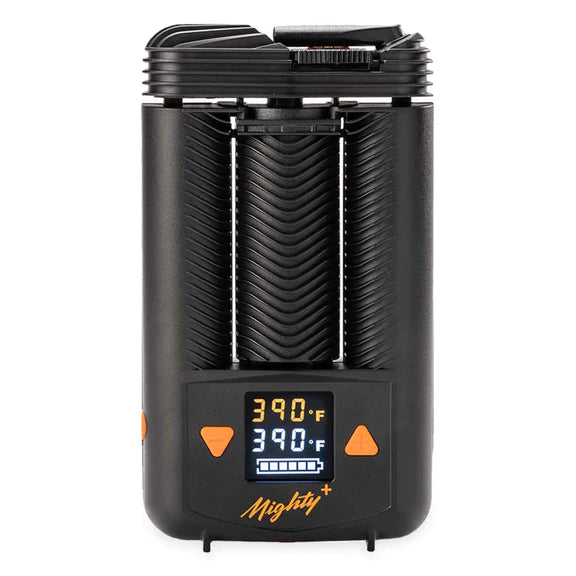
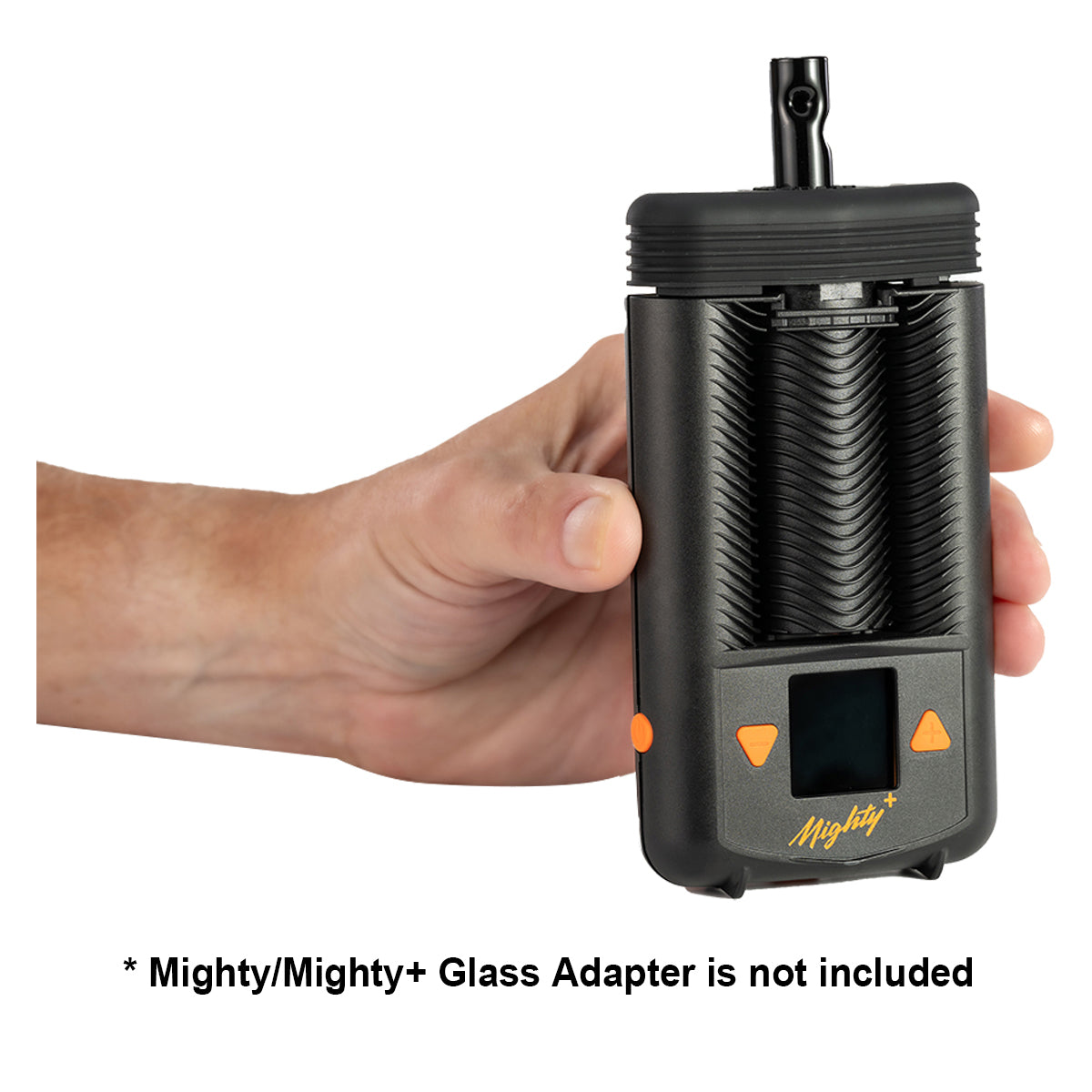
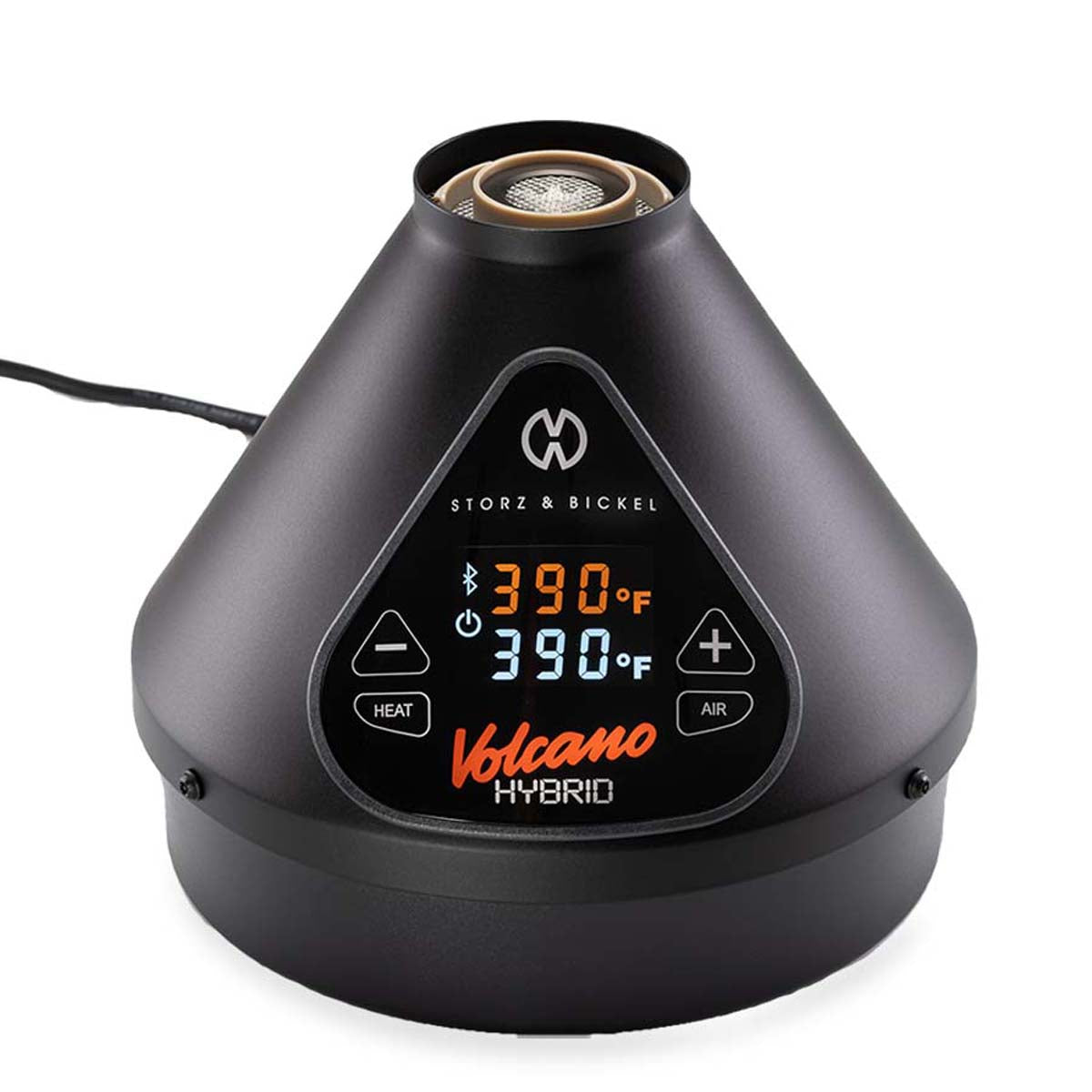
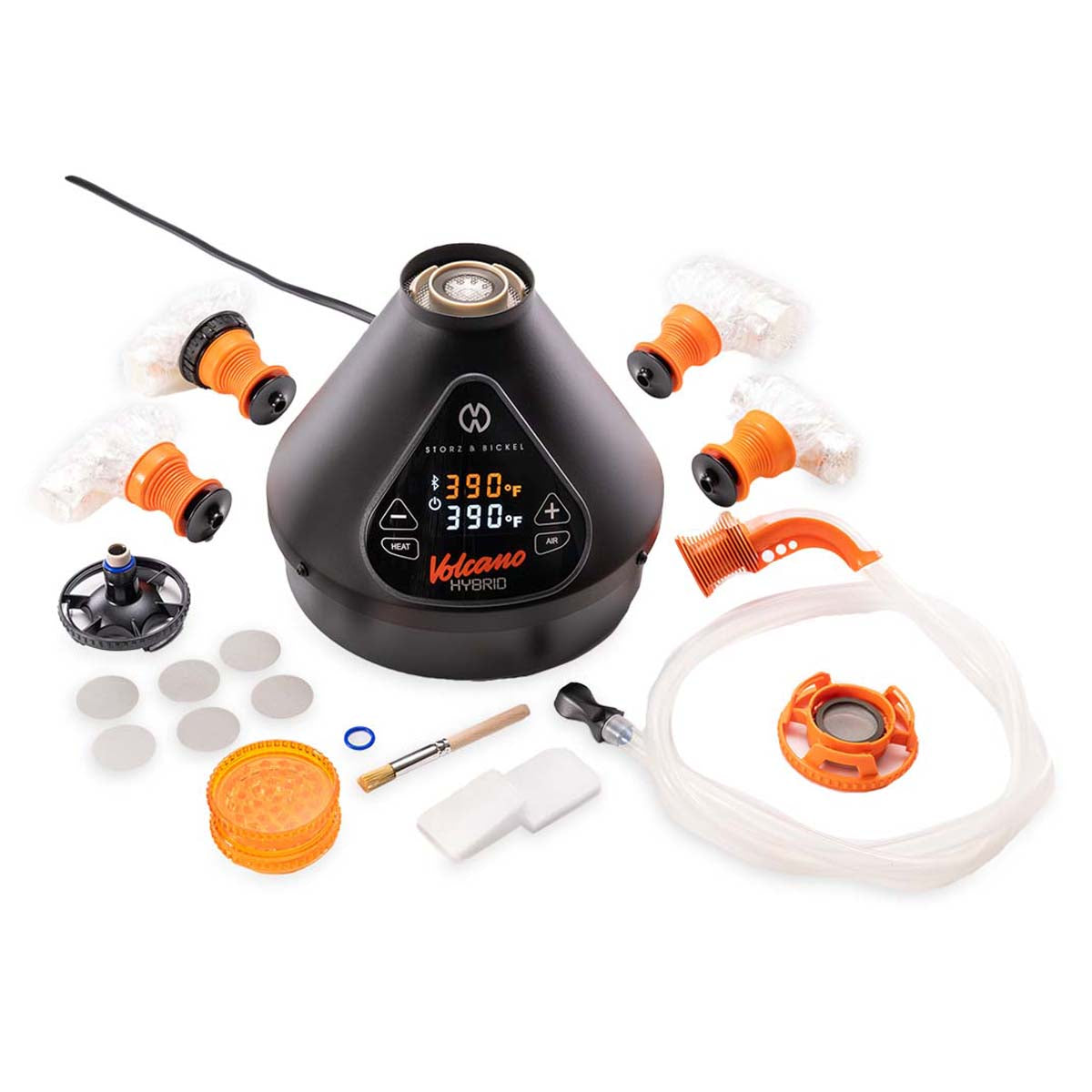
Most dry herb vaporizers today, like the Storz & Bickel Venty and Volcano Hybrid, fall into the hybrid category. These vapes preheat the herbs to a lower temperature and heat the incoming air at a higher temperature to finish it off during your hit.
These vaporizers have become wildly popular because they are consistent and easy to use, and fully extract everything from your herbs in less time. They're the best of both worlds: efficient like convection, but easy to use like conduction.
Best Vaporizers for Beginners
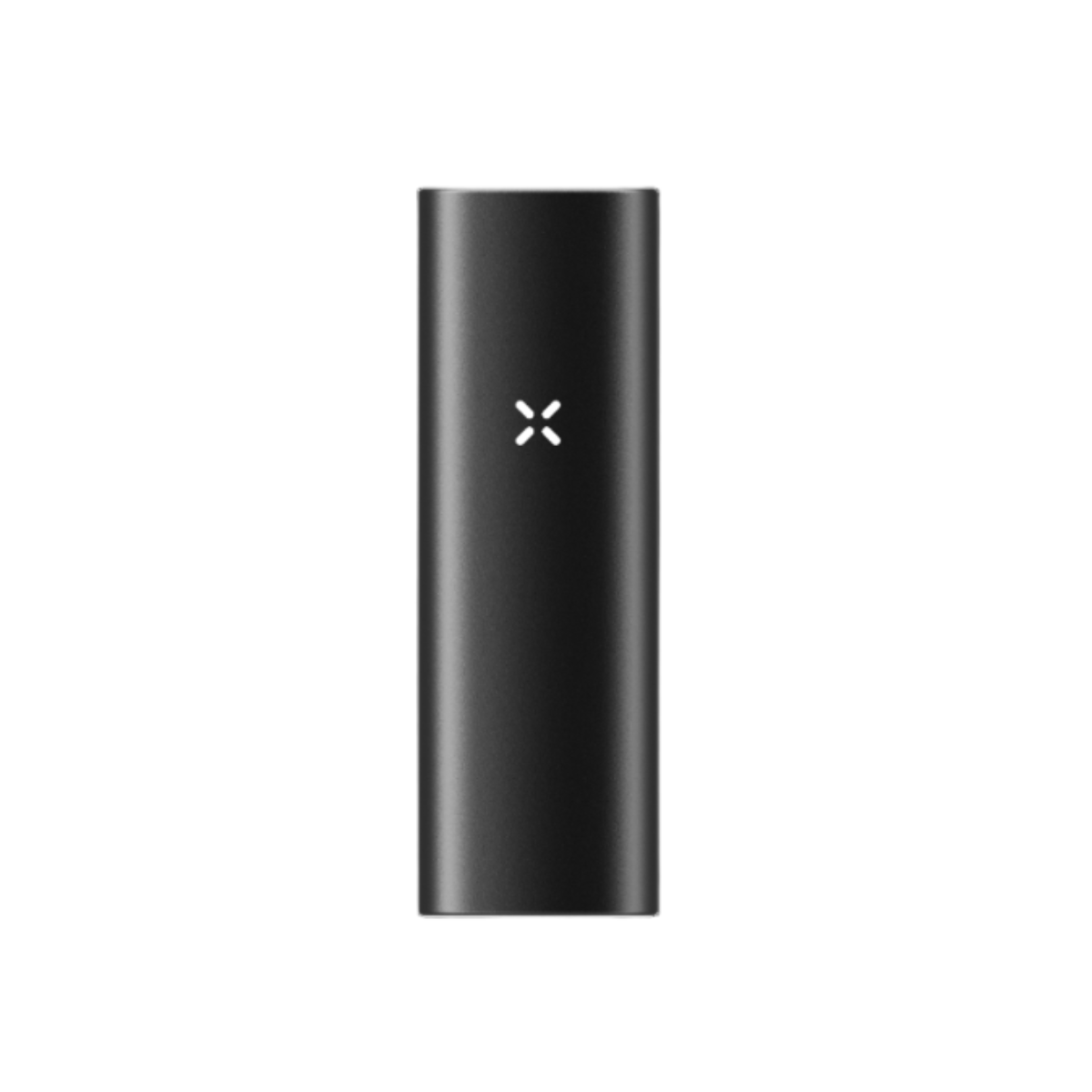
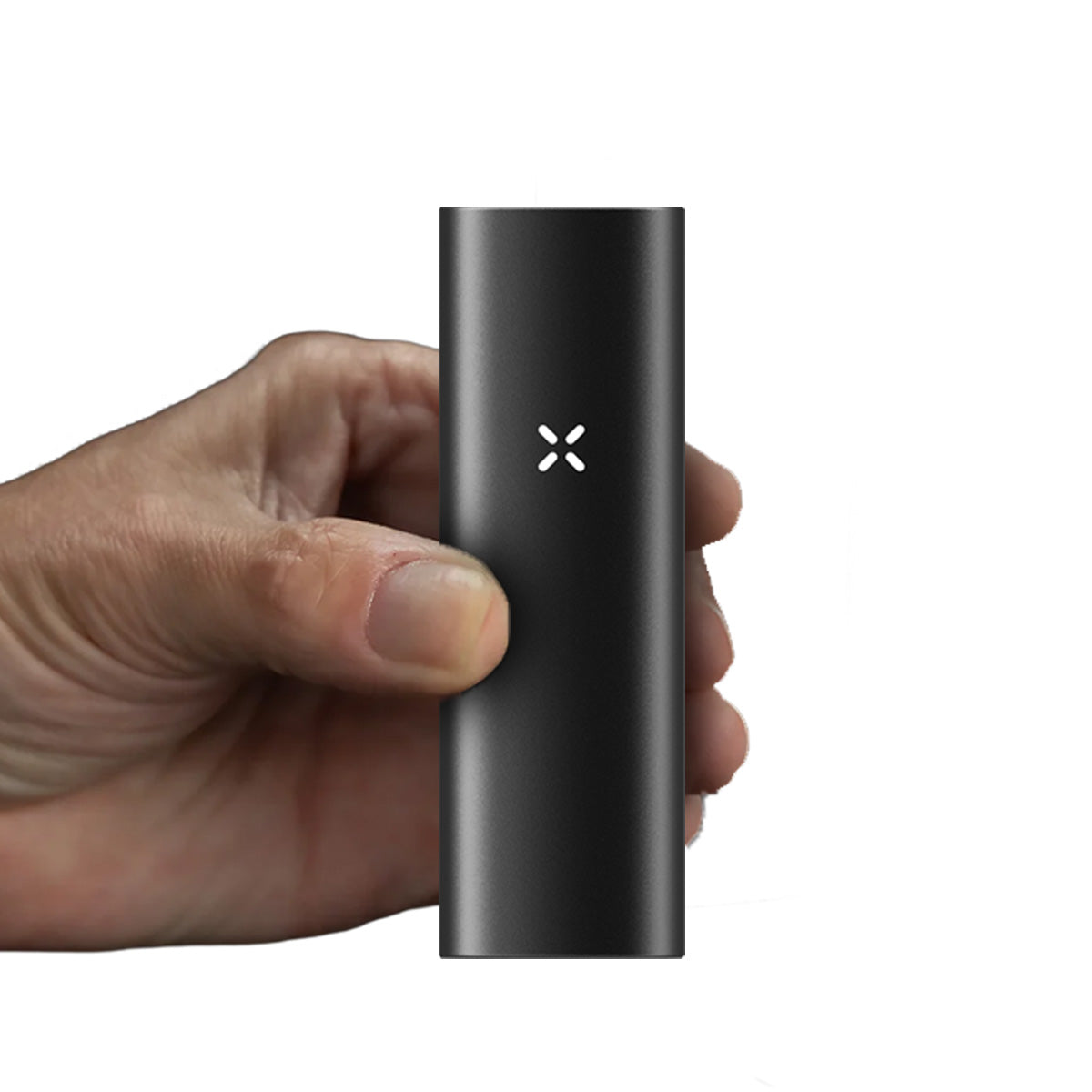
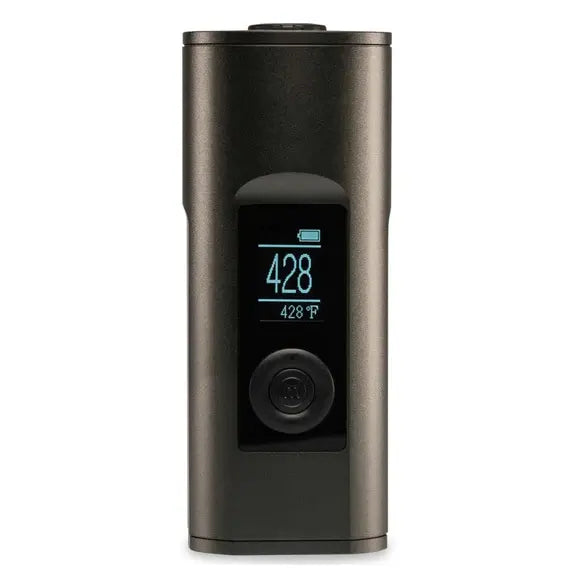
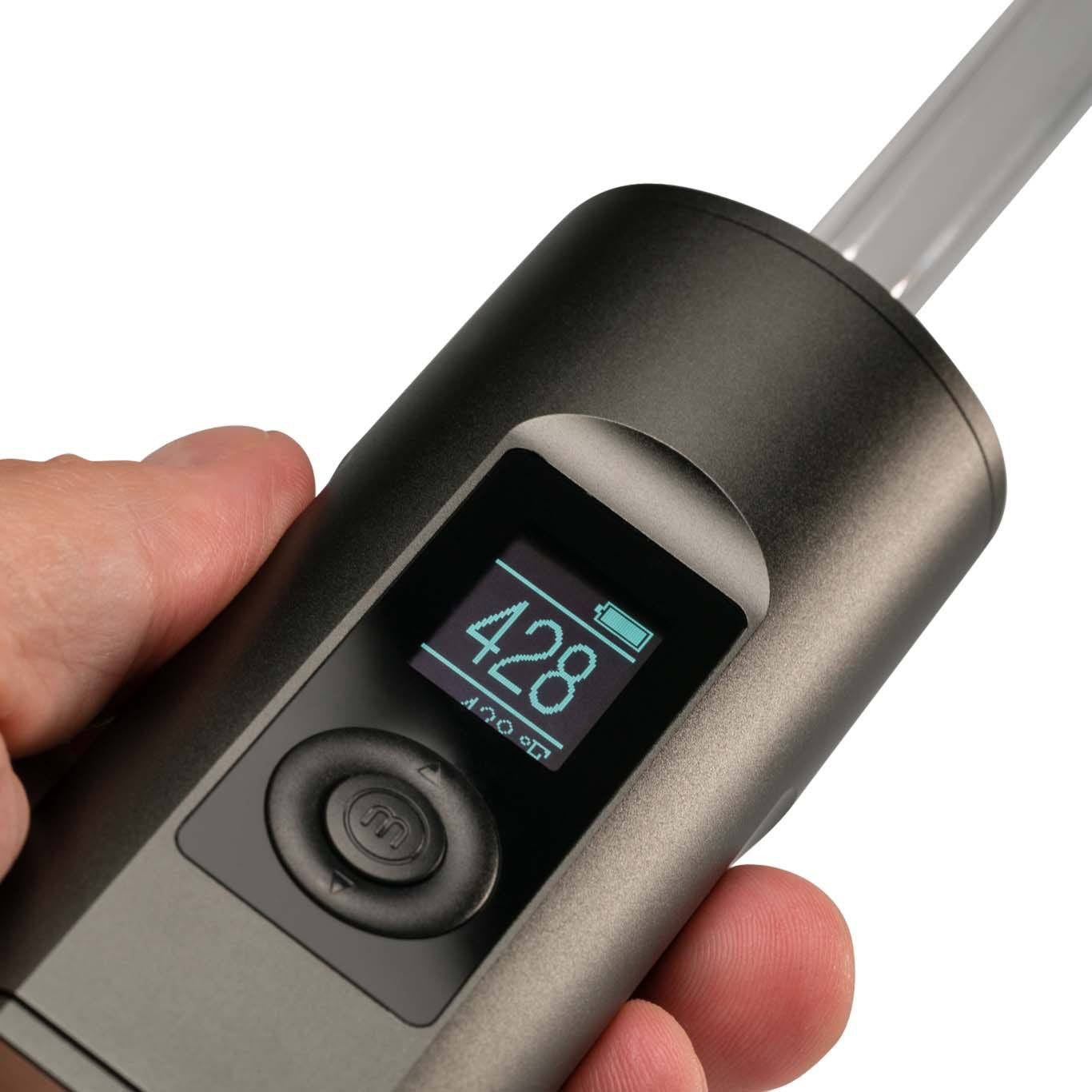
It's hard to pick one vaporizer as the very best. All vape devices aspire to be the number one choice, but I believe there's a best dry herb vaporizer for each person, and everyone's different.
Some users want to vaporize as much as possible in one sitting, while others prefer slow, relaxing sessions with minimal herbs. If you're looking for the best budget dry herb vaporizer under $100, the XMAX Oont Pro is our top pick for value and performance in 2026.
Check out our Best Dry Herb Vaporizers for Beginners guide to see our top picks for each need and budget.
How to Vape Dry Herbs: Step-by-Step Guide
Here's my tried-and-true process for getting the most out of any dry herb vaporizer. Follow these steps, and you'll be set up for success.
Step 1: Grind Your Herbs
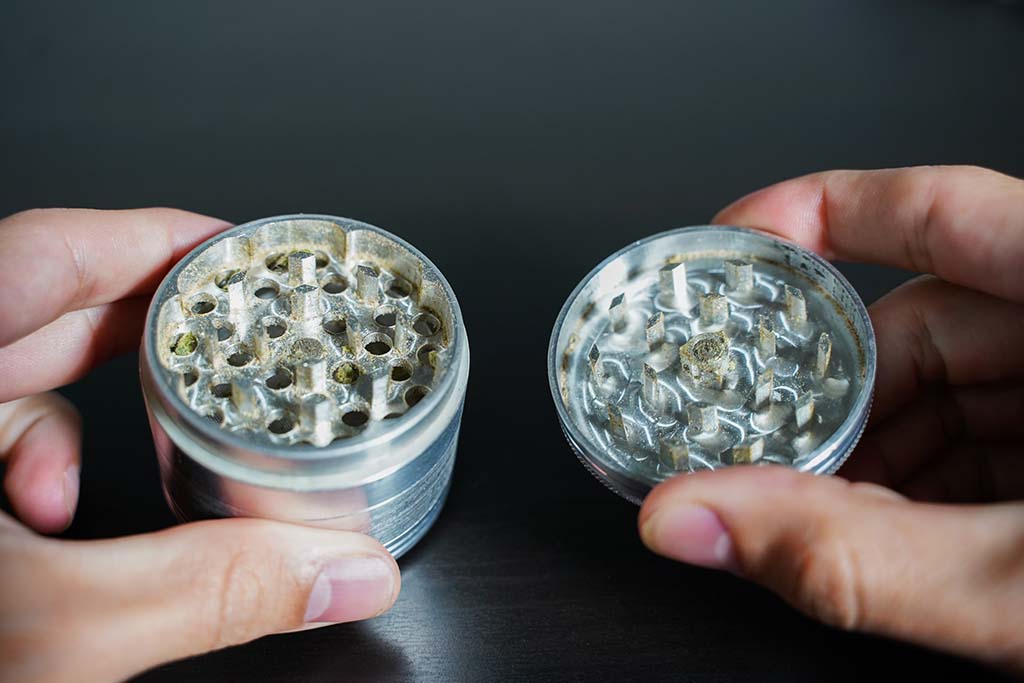
Do you need to grind for dry herb vapes? Many vapes can vaporize whole flowers, but grinding produces the best results. The type of grind will depend on the type of dry herb vaporizer, but generally, conduction vaporizers perform best with a finer grind, while convection vaporizers prefer a coarser grind. If you're unsure, go with a medium grind.
A proper grind increases surface area, which means better vapor production and more even heating. Check out our full guide on How to Use a Dry Herb Grinder for Beginners for more info.
Pro tip: Invest in a quality grinder. It makes a huge difference in consistency and will last you years. A good 4-piece grinder with a kief catcher is worth every penny.
Step 2: Pack Your Vape
Next, take your vaporizer and fill the oven with your ground herbs. How you pack depends on your heating method:
For conduction vaporizers: Fill the oven to the brim and pack it down tightly. Repeat this until it's packed nice and tight to the top. This ensures even contact with the heating surface.
For convection and hybrid vaporizers: They don't like tight packs. Instead, fill the oven loosely until there's a small mound on top, and then gently press it into the oven until it's flush with the rim. This allows hot air to flow through the material.
Learning how to pack a dry herb vape for the best airflow is crucial for solid vapor production. Too tight and you'll restrict airflow; too loose (in conduction vapes) and it won't heat evenly.
Step 3: Power On Your Vape
Turn it on! With most vaporizers, press the power button quickly five times. Others might need a triple-press or more, or a long press of the power button. Refer to your vaporizer's user manual if you're unsure.
Once powered on, most vapes will heat up automatically to a preset temperature or wait for you to adjust it. Heat-up time varies by model; some take 15 seconds, others take up to a minute.
Step 4: Pick Your Temperature
Some vaporizers use different temperature controls. Some utilize precise control down to a single degree, while others have preset controls. We'll cover a few temperature ranges to choose from, but this will also apply to preset settings.
What's the best temperature for vaping dry herbs? It depends on what you're after:
Low-Level Vaping Temperatures - 350-370°F (177-187°C)
This temperature range produces the tastiest vapor and is perfect for chasing flavor rather than clouds. Hits are light and wispy, but full of flavor and will provide gentle, but noticeable effects. This is a safe zone to start if you're not yet sure what you're looking for. You can always bump it up later.
I start here during the day when I want to taste everything my herbs have to offer without getting too heavy.
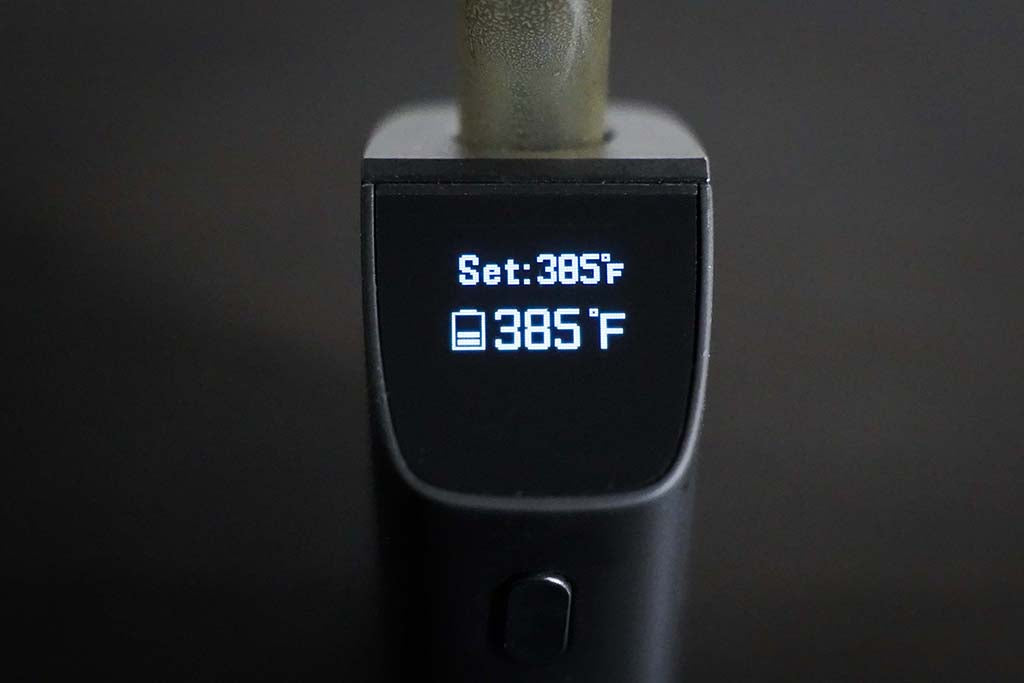
Mid-Level Vaping Temperatures - 370-390°F (187-199°C)
This temperature range is a nice happy medium. Hits are noticeably thicker, but still produce satisfying flavors that pack a punch. Perfect for those that want a little more 'oomph' from their hits, but also plenty of flavor.
This is where I spend most of my time. 385°F (196°C) is my sweet spot for balanced sessions.
High-Level Vaping Temperatures - 390-430°F (199-221°C)
This is where flavor starts to take a dive, but thick clouds come to play. Your first few hits will pack in some flavorful accents, but will quickly dissipate as the clouds ramp up. This is the best place to start if you want big clouds and strong effects from the get-go.
Pro tip: Don't go above 430°F (221°C) unless you know what you're doing. You're getting close to combustion territory, which defeats the purpose of vaporizing.
Step 5: Inhale Your Vaporized Herbs
Once your dry herb vaporizer reaches your desired temperature, it's time to hit it! Start with a slow, relaxed inhale through the mouthpiece for about seven to ten seconds, and then exhale. Keep the airflow nice and steady, don't rip it.
Your first hit or two will be light and flavorful but will ramp up as your session rolls on. The vapor will get progressively thicker as the oven fully heats up. Take your time between hits, there's no rush.
Pro tip: If you're not getting vapor, slow down and extend your draw. Many beginners don't hit it long enough to produce any vapor.
Step 6: Power Off & Clean Your Vape
When you're all finished with your session, turn your vaping device off the same way you turned it on and let it cool for about a minute. If you're saving the rest for later, you're good. Leave it and come back to it later.
How to Clean Your Dry Herb Vape
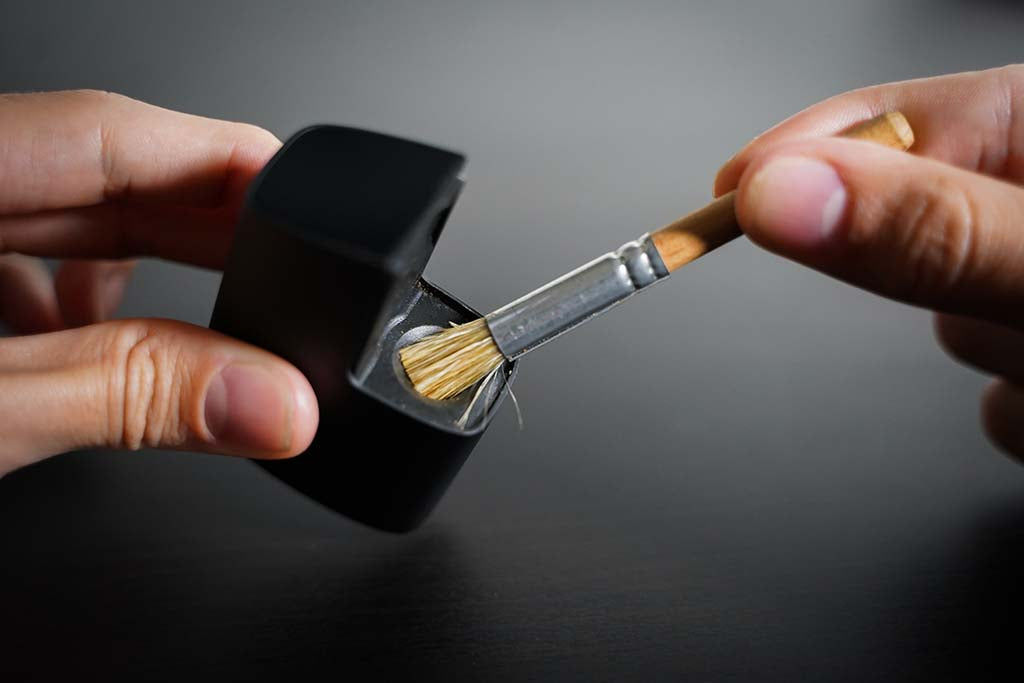
If your herbs are spent, take a cleaning brush and clear out the oven while it's still warm. This will prevent the load from sticking to the oven and keep your vape running longer before it's time for a deep cleaning.
Learning how to clean a dry herb vaporizer chamber properly is essential for maintaining performance and flavor. Deep cleanings involve soaking the dirty parts of your vape in isopropyl alcohol or warm, soapy water and thorough wipe-downs. Which parts to soak or wipe depends on your specific dry herb vaporizer.
We have a number of in-depth cleaning guides for specific models:
Check out our blog for cleaning guides specific to your vaporizer model.
For a complete overview of essential accessories, check out our Dry Herb Vaporizer Accessories Guide.
Troubleshooting Common Beginner Issues
Even with perfect technique, you might run into some issues when you're first learning. Here's how to fix the most common problems:
Why Is My Dry Herb Vape Not Producing Vapor?
If you're not getting any vapor, check these things:
- Temperature too low: Bump it up to at least 370°F (187°C).
- Not fully heated: Wait for the indicator light to confirm it's ready.
- Not drawing long enough: Take slower, longer draws.
- Oven not packed properly: Make sure you've got enough material and it's packed according to your heater type.
Vapor Tastes Burnt or Harsh
If your vapor tastes burnt:
- Temperature too high: Lower it by 10-15°F and see if that helps.
- Oven needs cleaning: Residue buildup can cause a bad taste.
- Material is spent: If your herbs are dark brown, the session is done.
Not Getting Strong Effects
If you're not feeling the effects you expected:
- Give it time: Vapor affects you differently than smoke. It can take 5-10 minutes to fully feel it.
- Try higher temps: Move up to 385-400°F (196-204°C) for stronger effects.
- Take longer draws: 7-10 second inhales work best.
- Quality of material matters: Poor quality herbs won't give good results even in the best vape.
Top Tips for First-Time Vapers
Be Aware of Where You Can and Cannot Vape
You may wonder if the same smoking rules apply to vaporizers. As a safe, general rule, if you can't smoke somewhere, you also can't vape. If you're unsure, ask around or just step outside and enjoy your session. Respect local laws and regulations.
The Quality of Your Herbs Will Affect the Quality of Your Experience
Vaporizers are only half of the equation. High-quality, expertly harvested plant material will feel and taste better and provide the best overall vaping experience. Keep your herbs in an airtight container and store them in a dark, cool environment to maintain freshness.
I can't stress this enough: a premium vaporizer with low-quality herbs will still disappoint. Start with good material.
Start Low and Go Slow
When you're just starting out, begin at lower temperatures (around 370°F/187°C and below) and work your way up. This lets you experience the full flavor profile and find your personal sweet spot. You can always take another hit, but you can't un-vape.
Experiment!
Over time, you'll discover little nuances or rituals that cater to your own personal vaping style. Don't be afraid to mess around with different vapes, grinds, packs, temperatures, and any other components of your session to dial in your very own unique way of vaporizing.
If we missed anything, or if you have any questions or concerns about getting started, let us know in the comments!
Frequently Asked Questions
How much dry herb should I put in my vaporizer?
Fill the oven to capacity for best results. Most portable vapes have ovens that hold 0.1-0.3 grams. Don't leave empty space, pack it according to your heater type (tight for conduction, loose for convection).
What temperature should I vape dry herbs at?
It depends on what you're after. 350-370°F (177-187°C) gives you the tastiest, lightest vapor. 370-390°F (187-199°C) is a happy medium with thicker hits and plenty of flavor, and it's where most people settle. 390-430°F (199-221°C) produces the thickest clouds but sacrifices flavor. Avoid going above 430°F (221°C), as you'll start approaching combustion.
Do I need to grind my herbs before vaping?
Many vapes can handle whole flowers, but grinding produces noticeably better results by increasing surface area for more even heating and vapor production. Conduction vapes generally do best with a finer grind, while convection vapes prefer a coarser one. When in doubt, go with a medium grind.
How long does a dry herb vape session last?
A typical session lasts 5-15 minutes, depending on your vape and temperature. You'll know it's done when vapor production stops, or the taste becomes unpleasant. Your herbs should be evenly brown when finished.
Can I use the same herbs for multiple sessions?
Yes! If your herbs aren't fully spent (still light to medium brown), you can save them for another session. Just power off your vape and come back later.
Do I need to let my vaporizer cool down between sessions?
It's a good idea to let it cool for a minute or two, especially if you're cleaning it out. This prevents burns and makes it easier to handle. Some vapes have automatic cooldown cycles.
How often should I clean my dry herb vaporizer?
Brush out the oven after every session while it's still warm. Do a deep clean with isopropyl alcohol every 10-15 sessions or when you notice decreased performance or flavor. Regular maintenance keeps your vape performing like new.
What's the difference between a dry herb vape and other vaporizers?
Dry herb vapes are specifically designed to vaporize dried plant material. Other vaporizers might use oils, concentrates, or e-liquids. Don't use oils in a dry herb vape. They're not compatible and will damage your vape.
Is vaping dry herbs healthier than smoking?
While we can't make medical claims, vaporizing avoids combustion and the harmful byproducts (tar, carbon monoxide, carcinogens) that come with smoking. You're inhaling vapor with the compounds you want, not smoke with toxins you don't.
Why does my vape smell even though it's not smoking?
Vapor has a slight smell, but it's much lighter than smoke and dissipates quickly. If you're noticing a strong smell, you might be running too hot (close to combustion). Stay under 430°F (221°C).
Best Vaporizers for Beginners
Related articles


Written by
Divan van Rooyen
